

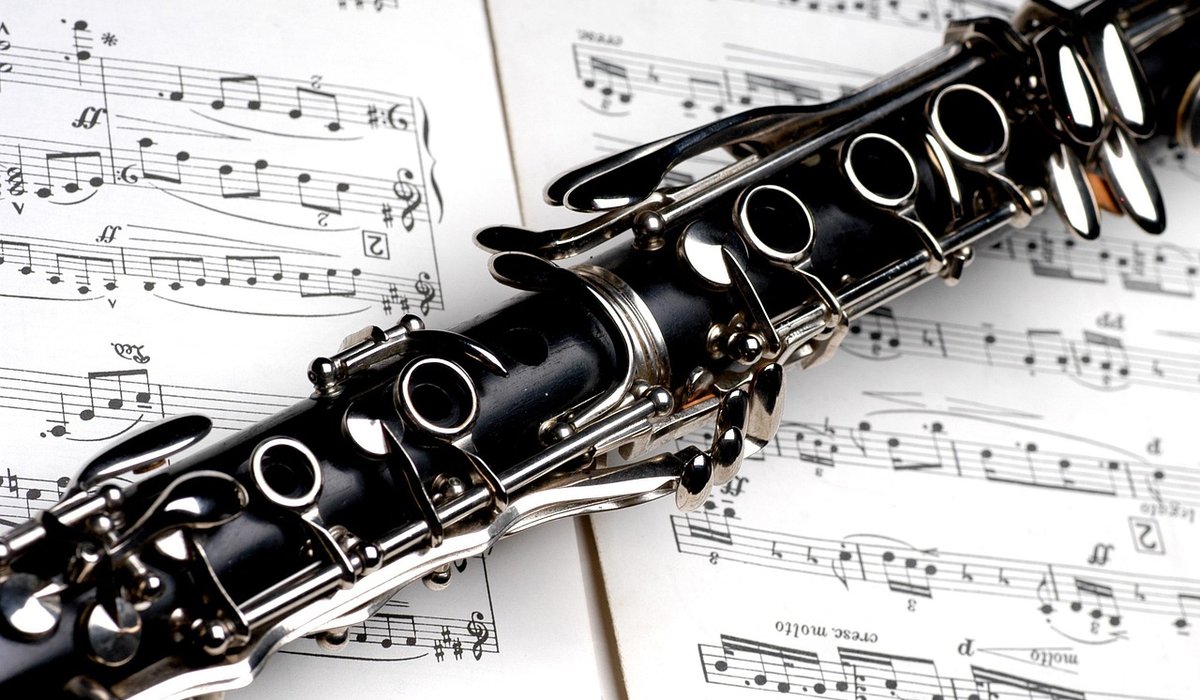
The Role of Rhythm in Ballroom Dancing
Walk into any ballroom class in the UK and you will hear the same plea from the teacher: "Listen to the music!" It sounds almost too simple, but rhythm really is the engine of every dance. It tells you when to step, how long each step lasts, and where the rise, fall, sway or hip movement belongs. Get the rhythm right and even a basic figure feels polished. Ignore it and the most complicated routine in your medal test will still look muddled.
Why Rhythm Comes Before Steps
Beginners tend to learn footwork first and rhythm second, which is a bit like learning to drive by steering before you understand the accelerator. Rhythm gives each dance its character. A waltz without its lilting 1-2-3 is just walking; a tango without its sharp, staccato pulse loses all its drama.
Think of the music as a set of instructions. For a waltz in 3/4 time, each bar has three beats and you generally take one step per beat. For a foxtrot, the timing is slow-slow-quick-quick, giving you two relaxed steps followed by two snappy ones. Same feet, entirely different feel — and the only thing that changed is how the steps are spaced against the beat.
Once you can hear that structure, your teacher's corrections start to make sense. When someone says your natural turn is "rushed", they usually mean the timing is uneven, not that your feet are in the wrong place.
Finding the Beat Before You Take a Step
Before you worry about alignment or footwork, stand still and listen. Try this sequence at the start of every practice session:
- Identify the count. Hum through the first eight bars and work out whether you have three beats (waltz, Viennese waltz) or four (foxtrot, quickstep, tango, cha cha cha, rumba, jive).
- Find beat one. It is nearly always the strongest, lowest note in the bar — the one your foot wants to land on.
- Mark it with a clap. Clap only on beat one for a full phrase. Then clap on every beat. This is the simplest way to build musical awareness.
- Add the knees. Once clapping feels secure, replace the clap with a small bounce from the knees. You are now feeling the beat in the body rather than the hands, which is exactly what you need on the floor.
Thirty seconds of this before you dance is worth ten minutes of stepping on the wrong foot later.
How Timing Changes Across the Dances
Each dance has a distinctive rhythm, and knowing the difference keeps your dancing honest.
- Waltz and Viennese waltz: three beats to the bar, with the rise on two and the lowering on three. The waltz is slower and more expressive; the Viennese is roughly twice the tempo, so your rise must be quicker and smaller.
- Foxtrot and quickstep: both in 4/4, both built on slows and quicks. Quickstep adds syncopated runs and hops, so the timing is tighter and the steps shorter.
- Tango: four beats to the bar but played with a sharp, marching quality. There is no rise and fall, and the staccato action should sit on the beat rather than drifting across it.
- Cha cha cha: the familiar 2-3-4-and-1 count, with the cha-cha-cha chasse landing between beats. If the triple step slows down, the whole dance drags.
- Rumba and samba: rumba is slow and deliberate, with the hip action arriving after the foot; samba has a bouncy, continuous pulse that should never stop, even when the feet pause.
- Jive: fast 4/4 with a swinging, hopping action. Keep the weight low and the timing punchy or you will tire within a minute.
Practising Away From the Dance Floor
You do not need a partner or a studio to improve your rhythm. Some of the best progress happens in the kitchen.
- Tap along on the bus. Pick out beat one with your fingers and count in threes or fours in your head.
- Clap the slows and quicks. Put on a foxtrot and clap slow-slow-quick-quick out loud. It feels childish and it works.
- Count in phrases. Most music is built in eight-bar phrases, and most ballroom routines in four- or eight-bar chunks. Learning to hear where a phrase ends helps you start a figure on the right note.
- Record yourself. Dancing to a fixed tempo and watching it back reveals whether you are rushing the quicks or lagging behind on the slows.
Rhythm, Phrasing and Expression
Once the beat is automatic, you can start using it musically. That is where phrasing comes in — shaping a figure so it peaks on the strongest part of the phrase rather than simply landing there. In a slow waltz, a well-timed rise and sway can make a simple twinkle feel luxurious. In a tango, holding a beat before a dramatic promenade adds tension that no amount of footwork can create.
Following a partner also depends on rhythm. Leads are clearest when they arrive on the beat, because the follower's body is already anticipating movement at that moment. If you lead half a beat late, your partner will feel uncertain, even if your hand position is perfect.
Building Rhythm Into Your Social Dancing
At a UK social dance or tea dance, the tempo can vary from band to band and DJ to DJ. Do not assume the recording matches the tempo you practise at home. Spend the first few bars of each track finding the beat before you invite anyone to dance, and if a quickstep comes on faster than you are comfortable with, dance a simpler routine well rather than a complicated one badly.
Above all, be patient. Musical awareness grows with exposure, and regular clapping, tapping and counting will do more for your dancing than rushing into the next figure. Rhythm is not an extra layer added to ballroom dancing — it is the foundation everything else stands on.


Ballroom
-
Competitive dancers face repetitive strain without proper recovery. Mixing disciplines, resting adequately and listening to your body prevents common overuse injuries.

Beginners


-

Long established fact that a reader will be distracted
-

Long established fact that a reader will be distracted
-

Long established fact that a reader will be distracted


Latin
Karla Gleichauf
12 May 2017 at 05:28 pm
On the other hand, we denounce with righteous indignation and dislike men who are so beguiled and demoralized by the charms of pleasure of the moment
M Shyamalan
12 May 2017 at 05:28 pm
On the other hand, we denounce with righteous indignation and dislike men who are so beguiled and demoralized by the charms of pleasure of the moment
Liz Montano
12 May 2017 at 05:28 pm
On the other hand, we denounce with righteous indignation and dislike men who are so beguiled and demoralized by the charms of pleasure of the moment