

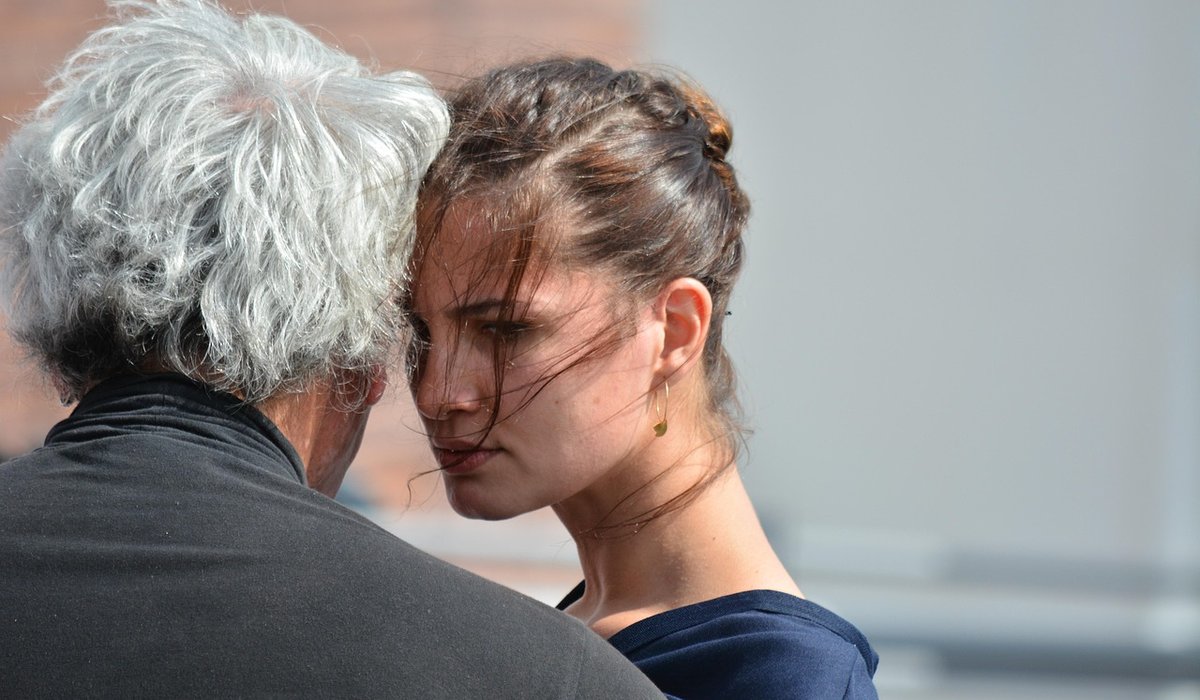
Avoiding Injury in Competitive Dance Training
Why Competitive Dancers Break Down
Ask any experienced competitor and they will tell you the same thing: it is rarely one dramatic moment that ends a season. It is the slow accumulation of small strains — a tight calf that never quite settles, an aching hip that you "just dance around", a knee that complains every time you rehearse the same quickstep corner. Competitive dance is a repetitive-load sport disguised as an art form. A single latin routine might contain hundreds of identical weight transfers, and if you rehearse that routine five days a week, those transfers add up.
The good news is that most overuse injuries in Ballroom and Latin are preventable. What follows is practical advice you can put into action this week, whether you are preparing for a national championship or your first medal test.
Rotate Your Disciplines Deliberately
One of the biggest hidden advantages of being a ten-dance dancer is built-in variety. Ballroom and Latin place genuinely different demands on the body: Ballroom rewards rise and fall, long lines and controlled swing, while Latin asks for rapid hip action, sharp footwork and a much lower centre of gravity. Dancers who train both generally develop more balanced strength and mobility than those who specialise early.
- Alternate your focus days. If Monday was a heavy Ballroom day with lots of waltz and foxtrot rise and fall, make Tuesday more Latin-focused or technique-based rather than another three hours of the same footwork.
- Vary the surface and tempo. Slow, controlled practice builds awareness; fast run-throughs build fitness. Doing only fast rehearsals is a fast track to tendon trouble.
- Cross-train with something low-impact. Swimming, Pilates, cycling and yoga all support dance fitness without hammering the same joints. Two sessions a week is often enough to make a noticeable difference.
If you are a strict Ballroom or Latin specialist, borrow the idea anyway: within your own style, alternate high-intensity rounds with slow, technical drilling.
Recovery Is Part of the Training Plan
Many competitors treat rest as something that happens when they are too injured to continue. That is backwards. Adaptation — the process that actually makes you stronger — happens during recovery, not during the lesson.
- Take at least one full rest day each week. Not a "light practice" day. A day off your feet.
- Schedule a deload week every fourth week. Reduce your volume by roughly a third. You will not lose fitness; you will consolidate it.
- Protect your sleep. Seven to nine hours matters more than any supplement. Dancers who sleep poorly report more pain and slower recovery, full stop.
- Refuel properly. Protein within an hour or two of training, plus enough carbohydrate to support long rehearsals, helps tissue repair. Under-eating is a common and under-discussed driver of stress injuries in dancers.
Warm Up and Cool Down Like You Mean It
A two-minute stretch before a lesson is not a warm-up. Your body needs to raise its temperature, move through the ranges you are about to use, and wake up the stabilising muscles around your ankles, hips and shoulders.
- Five to ten minutes of progressive movement: brisk walking, skipping, gentle swaying, then dynamic leg swings, hip circles and spine rotations.
- Rehearse the shapes, not the whole routine. Do a few bars of your choreography at half speed, focusing on your supporting leg and turnout.
- Cool down with a slow walk and static stretches for calves, hip flexors, hamstrings and the often-neglected muscles around the shoulders and upper back. Hold each stretch for around 30 seconds without bouncing.
Feet deserve special attention. Blisters, corns and thickened nails change how you load your foot, which then travels up the chain to the knee and hip. Deal with foot problems early rather than dancing around them for months.
Listen to the Warning Signs
There is a difference between the healthy soreness of hard training and the sharp, localised pain of an injury developing. Learn to tell them apart.
- Normal: general muscle ache that appears 24 to 48 hours after training, eases with gentle movement, and affects both sides fairly evenly.
- Concerning: pain in one specific spot, pain that sharpens during particular movements, swelling, a joint that catches or gives way, or discomfort that wakes you at night.
- A useful rule: if pain is worsening week on week, or changing how you dance, stop and get it assessed. Two weeks off now is far better than six months off later.
Keep a simple training diary: what you did, how you felt, where it hurt. Patterns become obvious quickly — often a particular step, shoe, or floor is the culprit.
Technique Is Injury Prevention
Most chronic dance injuries come from compensating. When you are tired, you stop using your legs properly and start gripping with your lower back, or you push through a turned-in knee to keep your balance. Good technique is not just about marks; it is about distributing load efficiently through the whole body.
Ask your coach to look specifically at your alignment in your weakest moments — the end of a long round, the final bars of a jive, the rise out of a deep contra check. Strength work for the feet, calves, glutes and core will make that good alignment available even when you are fatigued. Ten minutes of targeted conditioning, three times a week, is one of the best investments a competitive dancer can make.
Train hard, but train intelligently. Your body is your instrument, and it is the only one you get to compete with.


Ballroom
-
Latin hip action comes from leg and foot pressure, not forced hips. Practising slow weight transfers helps create natural, controlled movement.

Beginners


-

Long established fact that a reader will be distracted
-

Long established fact that a reader will be distracted
-

Long established fact that a reader will be distracted


Latin
Karla Gleichauf
12 May 2017 at 05:28 pm
On the other hand, we denounce with righteous indignation and dislike men who are so beguiled and demoralized by the charms of pleasure of the moment
M Shyamalan
12 May 2017 at 05:28 pm
On the other hand, we denounce with righteous indignation and dislike men who are so beguiled and demoralized by the charms of pleasure of the moment
Liz Montano
12 May 2017 at 05:28 pm
On the other hand, we denounce with righteous indignation and dislike men who are so beguiled and demoralized by the charms of pleasure of the moment